Exploring the Treasures: A Deep Dive into Museums and Their Cultural Significance
As we wander through life, surrounded by the incessant buzz of modernity, it’s all too easy to overlook the treasures that lie within our museums. These cultural institutions are not just buildings filled with dust-laden historical artifacts; they are vibrant hubs teeming with stories waiting to be told. Museums are the custodians of our cultural history, preserving not just art exhibitions and collectible items, but the very essence of who we are. Have you ever paused to consider how many voices are echoing within those walls, each one contributing a unique thread to the intricate tapestry of humanity?
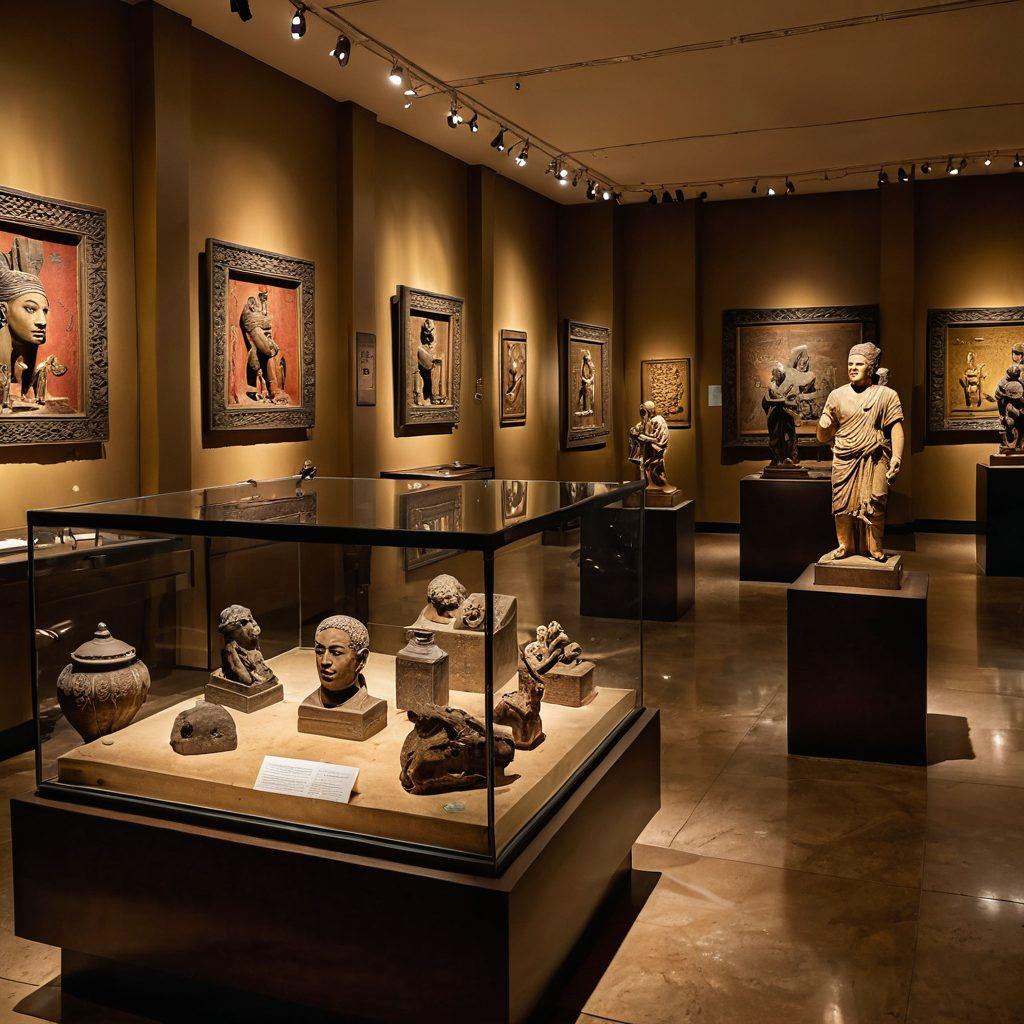
Museums serve as more than mere repositories of the past—they act as bridges, connecting us with our shared heritage through heritage conservation efforts. Imagine walking through an exhibit, contemplating a finely crafted relic from centuries gone by. Each piece, whether an ancient pottery shard or a modern sculpture, tells its own story; a story that contributes to our understanding of cultural arts. What's more, the diligent work of museum guides and historians in artifacts preservation ensures that these stories remain vibrant and accessible to future generations. What does this mean for you and me?
In an age where information is at our fingertips, museums offer a refreshing and engaging alternative to the screen. They invite us to interact with our past through interactive exhibits and curated collections that educate and inspire. A visit to a museum can transform history education from a mundane textbook experience into an immersive journey that captivates our imagination. Have you ever participated in a workshop or public program at a museum? If so, think back to that moment—didn’t it feel as though you were unlocking secrets of the past?
But how do museums stay relevant in a world that seems to be changing at the speed of light? The answer lies in constant innovation and community engagement. Many cultural exhibitions now incorporate technology, from augmented reality tours to virtual museum studies that make distant artifacts accessible from home. We see museum updates showcasing local history, providing everyone with layers of context to their surroundings. For those passionate about cultural history, there’s a treasure trove of educational resources offered, allowing for continuous learning long after we leave the exhibit.
In conclusion, as we unveil the past through our museums, let us remember to take part in preserving our cultural heritage. Whether you're exploring the depths of history with your family, volunteering for artifacts cataloging, or simply attending art exhibitions, each encounter enriches the narrative of our collective existence. So, the next time you step inside a museum, ask yourself: what stories await you? In what ways will you engage with the past, and how will that influence the future you help to shape?
Interactive Journeys: The Role of Exhibitions in Education and Community Engagement
Museums are often seen as quiet repositories of the past, filled with dusty artifacts and solemn echoes of history. But what if I told you that these cultural institutions are dynamic spaces for interactive journeys? In fact, exhibitions play a pivotal role in not only safeguarding historical artifacts but also in educating the community and fostering engagement with cultural history. Have you ever left a museum feeling inspired and curious about what you might discover next? Let’s explore the transformative power of exhibitions and their valuable place in our society.
Take, for example, an art exhibition dedicated to local history. Imagine walking through a gallery adorned with beautifully curated collections representing your community’s heritage. Each piece tells a story—stories of artisans who crafted incredible collectible items, or perhaps narratives of challenges faced by past generations. Museums often collaborate with museum guides to create engaging educational resources that can captivate all ages. As visitors navigate through interactive exhibits, they are drawn into the lives of the people who once inhabited the very spaces they now explore.
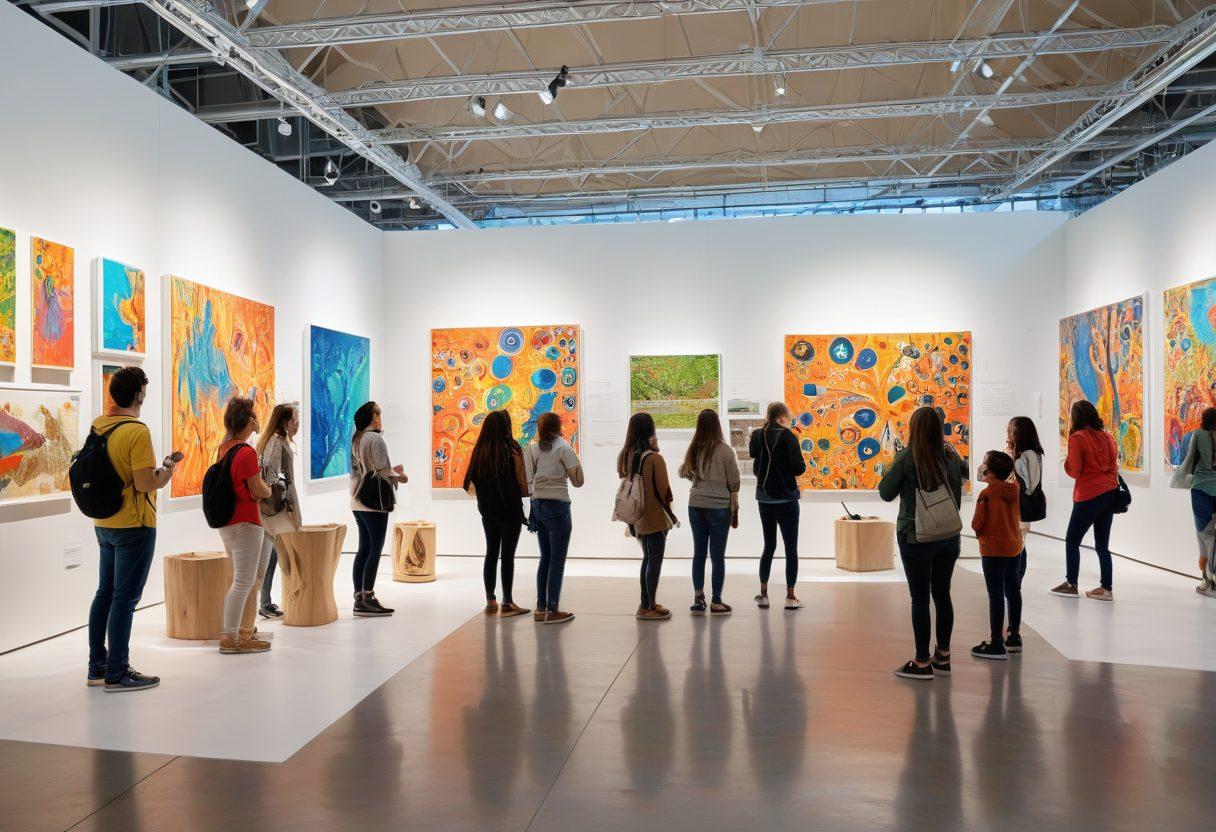
Interactive exhibits are more than just a novelty; they can revolutionize museum studies. By incorporating hands-on experiences or digital storytelling, museums invite visitors to connect with artifacts preservation in memorable ways. Can you recall a time when you interacted with something in a museum that sparked your curiosity? Perhaps it was an ancient tool you could touch or a screen that allowed you to virtually step into history. By turning passive observation into active participation, museums break down walls and invite communities to engage with their rich cultural arts and traditions.
Moreover, public programs and cultural exhibitions enable museums to step beyond their walls and become vibrant community hubs. Have you noticed in your area how museums regularly host workshops or talks by local historians? These programs not only promote history education but also weave together the fabric of a community. They inspire conversations that draw in diverse voices, highlighting the significance of local narratives in the broader context of cultural history. When we see our stories represented in museum exhibits, it enhances our sense of identity and belonging.
As we ponder the role of museums in society, the importance of heritage conservation becomes increasingly evident. Aptly preserving artifacts and ensuring they remain accessible is a moral responsibility that museums owe to future generations. With ongoing museum updates and a commitment to cataloging artifacts, institutions can continue to shine a light on the past while paving the way for future discoveries. So next time you visit a museum, ask yourself: how can I engage more deeply with these stories? What actions can I take to support continued preservation and appreciation of our cultural heritage?
From Artifacts to Art: Understanding the Importance of Museums in Cultural History
When was the last time you wandered through the hallowed halls of a museum and marveled at the world around you? Museums are not just buildings filled with historical artifacts and art exhibitions; they are the keepers of our past, gateways to cultural history, and vibrant centers for community engagement. As we step into these cultural institutions, we embark on a journey through time, encountering collectibles items that speak volumes about our heritage. In this blog, we will delve into the importance of museums and reveal how they play a pivotal role in heritage conservation and the education of future generations.
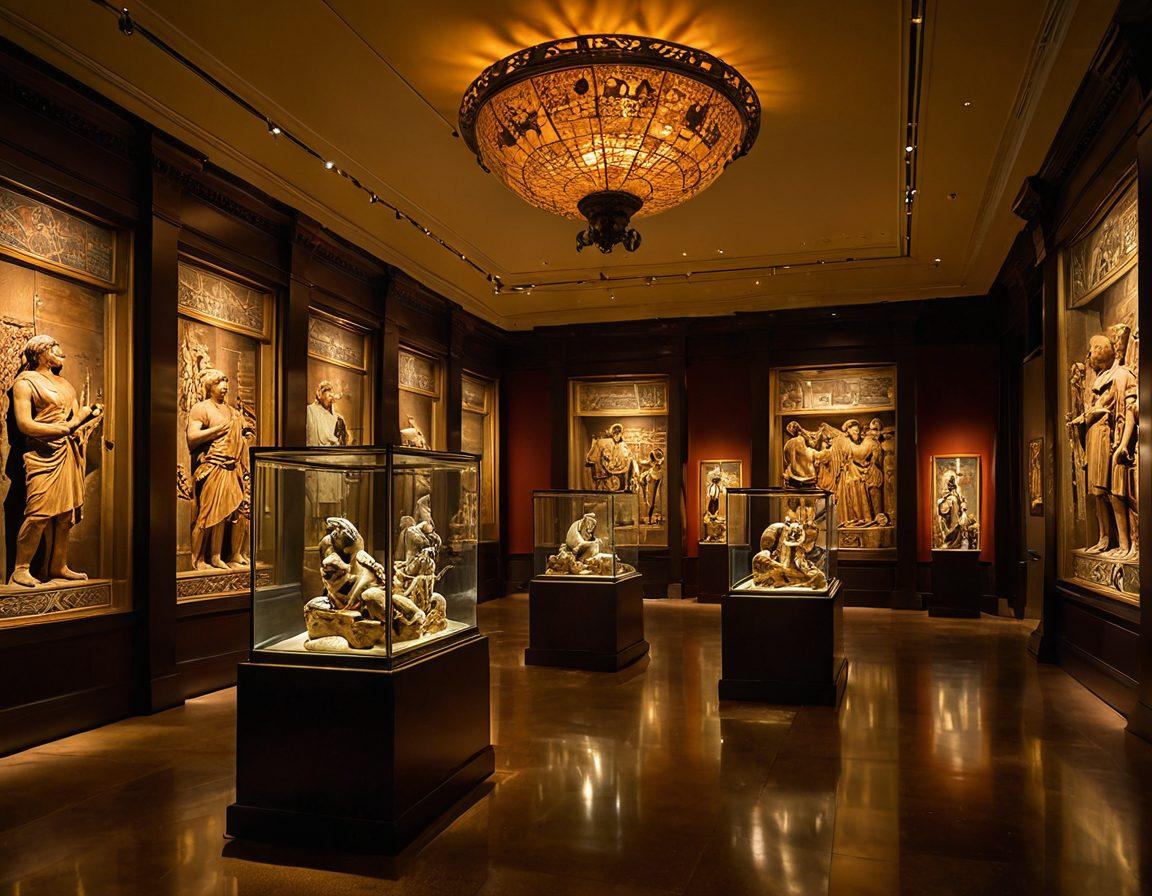
Imagine standing in front of an ancient artifact, each crack and inscription telling its own story. These historical artifacts are testaments to the civilizations that came before us. Museums are akin to time machines, allowing us to experience the rich tapestry of our shared human experience. Without properly curated collections, we risk losing sight of our roots. The mission of museum studies is to ensure that these precious objects are preserved for future generations, facilitating a deeper understanding of our cultural history. What truly fascinates us is the way these artifacts connect us — even across centuries and continents.
Art exhibitions within museums are another pillar of cultural appreciation. They’re not merely displays of aesthetic beauty; they invite us to engage with ideas, emotions, and narratives that shape our society. Through interactive exhibits and public programs, museums create dynamic spaces that breathe life into art, challenging us to think critically about the cultural arts. Have you ever left an exhibition with a new perspective or spark of inspiration? That's the power of these spaces; they ignite conversations and foster creative thought, making us feel connected to a larger community.
The educational resources offered by museums, from guided tours to museum guides and hands-on workshops, are invaluable. They provide tools for local history and immersive learning that enhance history education for all ages. As kids create memories wandering through interactive exhibits, adults find encouragement to deepen their appreciation for cultural history. Museums are committed to engaging the public; as such, they serve as platforms for heritage conservation, allowing visitors to see, touch, and contemplate our collective story through artifacts cataloging.
In a world racing toward digital immersion, museums continue to adapt and evolve, ensuring that they remain relevant. Following museum updates and participating in their community programs help keep this cultural dialogue alive. They encourage us not just to spectate but also to contribute to the tapestry of history. So the next time you find yourself in a museum, take a moment to appreciate not just what you see, but everything that has been done to preserve it. Museums are more than just spaces for artifacts; they are the living, breathing heart of cultural history awaiting your exploration.